The Highs and Lows of digitizing cultural knowledge
How can we better understand how these practices effect, and affect, the materialization ofsubjects, objects, and the relations between them? How can we engage our data culture(s) in practical,critical, and generative ways?
Acker and Clement
I have made a considerable effort to think about digitizing cultural knowledge like a hope sandwich…I use this term to describe the process of
-look to hope- acknowledging shortfalls-look to hope.
This way of thinking about a topic allows me to find something good, acknowledge something bad, then end positively by finding something else good.
Looking back to the article “Data Cultures, Culture as Data – Special Issue
of Cultural Analytics” by Amelia Acker and Tanya Clement, I am reminded of the ways that humanity can exist in data. I think about how we cannot take the cultural being out of data…not in a literal sense but in an ethical sense. The main takeaway that I got out of this body of knowledge is that if we lose sight of the human source of data, we lose sight of why we are collecting the data…when we start thinking of the culture as solely data, we lose the humanistic quality of the data.
our contributors theorize about what’s at stake for those things that cannot be quantified, measured, standardized and captured about human life (such
Acker and Clement
as gender identity or kinship), but they are also deeply concerned with what can be rendered as visible data work and what remains as invisible labor.
My hope sandwich begins with the idea that there are researchers who are not approaching cultural research in the same way that we saw in the early years of Anthropology. The idea that there is an obligation to preserve a dying culture instead of an obligation to see cultural practices survive into the future. There is hope in that researchers like Amy Earhart are stressing that we must build and understand relationships with the communities that we want to work with…partner with so that we do not slip into a rabbit hole of unintentional exploitation.
Earlier in the semester, I had the opportunity to sit in on a webinar discussing the difficulties and successes of digitizing the BLM fence. I wish the talk was one that more of our research students could have heard. The participants stressed how important it was that no one person took over the project…, especially over those who felt a personal attachment to the importance of the mission. There was an overt insinuation that people outside the community being affected should be good allies, not spokespeople for those who we are looking to for knowledge.
“We are responsible for the world in which we live not because it is an arbitrary construction of our choosing, but because it is sedimented out of particular practices that we have a role in shaping.” Ultimately, our contributors are focused on this central concern: where is our agency in the responsibility of
Acker and Clement
shaping data cultures? What role can scholarship play in better understanding our culture as data?
There should be no surprise that the shortfall in the hope sandwich falls on the society members who take advantage of cultural knowledge released for public consumption. While programs like Mukurtu provide means for protecting some cultural knowledge, not all researchers are looking for that type of censorship. What do we do when we want to share cultural knowledge with members of that community but also protect that knowledge from those who would exploit it.
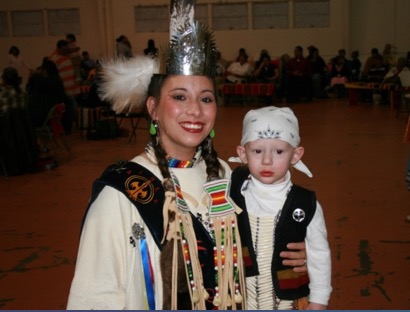
My time spent in webinars and conferences has been invaluable to my research so far on the ethics of digital/cultural knowledge. In the web conference Unsettling Genealogies, many Indigenous theorists and activists discussed the topic of knowledge exploitation. The author of “Native American DNA: Tribal Belonging and the False Promise of Genetic Science,” Kim Tallbear, made the point that the digitization of cultural knowledge has furthered the creation of the “Pretendian”. The “pretendian” is an individual who has created a genetic lineage based on how they chose to emanate Indigenousness. These individuals are not biologically Indigenous but outwardly tell people they are. They do this maliciously or out of their perceived “honoring or respect” of Native culture. The threat is made to Native culture when these “pretendians” use knowledge of Native culture and history to further their careers by claiming descendancy from a tribe, claiming scholarships by claiming descendancy, or mimicking (mocking) Native culture destructively or stereotypically. This mocking of culture can have long-term effects on those who are witnesses to the acts, especially young children.
However, we must develop a set of best practices for all of us who are working with historically marginalized communities, recognizing that an understanding of individual and group situatedness is crucial to digital humanities practices.
Amy Earhart
Shawn Wilson, author of “Research is Ceremony: Indigenous Research Methods,” writes about the need to understand that there is a responsibility to the communities we serve. I feel like one of the main things that should be stressed is that, as a researcher, we are here to serve a community; they are not here to serve us. The last piece to our hope sandwich is acknowledging “An Indigenous-centric data culture then is one that is entirely built upon native ways of knowing, representing, preserving, and sharing,” as stated by Jennifer Guiliano and Carolyn Heitman. The pair discuss that the past images of Native peoples should accurately represent Indigenous modernity. This shift in allowing past images to block modernity displaces Native people as ones who only exist in that time period. A Indigenous-centric data culture allows Native people to situate themselves in a way that gives autonomy to their representation and discourages objectivity. I feel like the last line of the Guiliano and Heitman work provide a hope of understanding how we should move forward working with traumatized communities…
For communities who have been traumatized through colonization, the desire of digital humanists to use their ancestor’s histories as data to be experimented upon recall a past where Natives were casualties to be acted upon rather than sovereign agents of their own lives. The ethical, and we argue the only path forward is through slow, thoughtful, inclusive, and collaborative practices that recognize and privilege indigenouscentric research practices and ways of knowing.
Guiliano and Heitman
Clement, Tanya, and Amelia Acker. 2019. “Data Cultures, Culture as Data – Special Issue of Cultural Analytics.” Journal of Cultural Analytics, April. https://doi.org/10.22148/16.035.
Earhart, Amy E. “Can We Trust the University: Digital Humanities Collaborations with Historically Exploited Cultural Communities” Bodies of Information: Intersectional Feminism and Digital Humanities. University of Minnesota Press, 2018.
Guiliano, Jennifer, and Carolyn Heitman. 2019. “Difficult Heritage and the Complexities of Indigenous Data.” Journal of Cultural Analytics 4(1). https://doi.org/10.22148/16.044.
TallBear, Kim. Native American DNA: Tribal Belonging and the False Promise of Genetic Science. University of Minnesota Press, 2013.
Wilson, Shawn. Research is Ceremony: Indigenous Research Methods. Fernwood Publishing, 2008.

 Numunu Family Tree
Leave a comment